Personalized Physical Therapy Focused on Your Goals
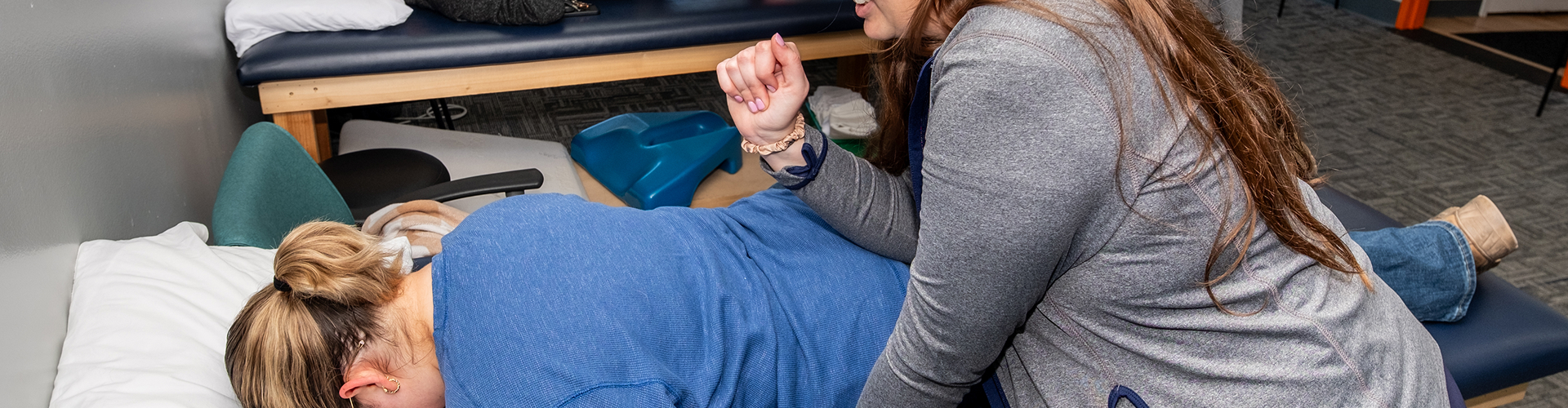
If you’re looking for physical therapy, you may want help moving with less discomfort, building strength, or returning to activities that matter to you. Physical therapy is a healthcare service that focuses on improving movement, reducing limitations, and restoring function through guided exercise, hands-on care, and education. Many people choose physical therapy to improve daily tasks such as walking, lifting, reaching, or returning to sport. At Choice Physical Therapy, our physical therapists provide individualized physical therapy in Corning, NY with a clear plan built around your goals and measurable progress.
What Physical Therapy Means for Everyday Life
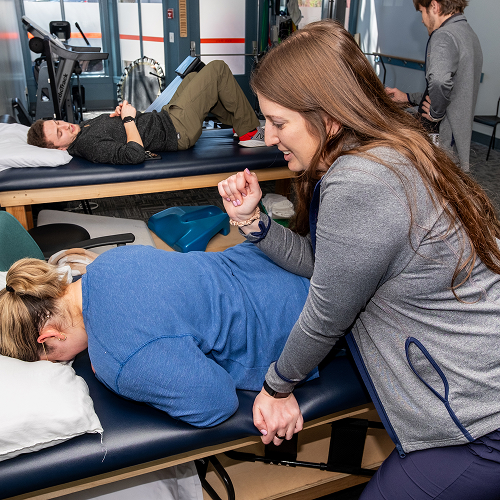
Physical therapy helps people move better. Our physical therapist evaluates how joints, muscles, nerves, and balance systems work together. When pain, stiffness, weakness, or injury affects movement, therapy provides structured steps to restore function.
Patients often ask about physical therapy because they want to return to work, exercise, or daily routines without ongoing limitations. Some people seek care after surgery. Others want help with chronic pain, sports injuries, balance concerns, or posture related discomfort. The common goal is improved function and greater confidence in movement.
When Physical Therapy May Help
People seek physical therapy for many reasons.
Common concerns include:
- Pain with movement
- Joint stiffness
- Muscle weakness
- Reduced endurance
- Balance difficulties
- Trouble returning to normal activity
Physical therapy at Choice Physical Therapy often supports recovery after injury, surgery, or gradual onset conditions. Our physical therapist evaluates the root cause of movement limitations and creates a structured plan to address them.
Common Situations Where Physical Therapy May Help
- Work related strain
- Difficulty walking or climbing stairs
- Muscle tightness or mobility limits
Each plan depends on an individual evaluation.
How Care Progresses at Choice Physical Therapy
Care begins with a full evaluation. Our physical therapist reviews your medical history, discusses goals, and measures strength, mobility, balance, and movement quality. Together, you will define clear, measurable goals.
The plan should match your symptoms, goals, and medical history. Many treatment plans include a mix of hands-on care, exercise, and education. Progress should be measurable and adjusted over time. If symptoms worsen or do not improve, our physical therapist can reassess.
Common approaches used in physical therapy include:
- Therapeutic exercise, which improves strength and endurance
- Movement retraining, which enhances coordination and posture
- Manual therapy, which improves joint and soft tissue mobility
- Balance training, which increases stability and confidence
- Education, which supports long term self management
- Functional training, which prepares you for daily tasks
Physical therapy works best as part of a full plan that includes exercise, movement training, and education.
-

The team provides polite, attentive, and personalized care tailored to each patient’s needs. Every session is focused and thoughtfully adjusted as I progress. The facility is clean, organized, and comfortable, and scheduling appointments has always been easy. Highly recommend!
–
Richard N.
-
Thanks to the incredible team at Choice Physical Therapy, I’ve regained my mobility, improved my balance, and returned to hiking 5–6 miles on challenging terrain without pain. Their expertise, compassion, and positive energy made therapy both effective and enjoyable. I highly recommend this amazing practice!
–
Maria D.
-
I truly appreciate this clinic and its amazing team. Everyone is kind, patient, and understanding. Even though communicating in English can be difficult for me, they listen carefully and make me feel comfortable and supported. Their professionalism, compassion, and dedication to each patient are clear in everything they do.
–
Svitlana K.
-
I’ve been coming here for over a little over a month now and have noticed significant improvements in my range of motion in my shoulder and wrist. 5 Stars for sure.
–
Jason J.
-
I can’t say enough great things about Choice Physical Therapy. After major foot surgery, their team helped me regain my mobility and get back to walking long distances again. Huge thanks to the team for their outstanding care and support throughout my recovery.
–
Carol F.
-
After seeing the difference Dr. Joel made for my father-in-law during his Parkinson’s journey, I trusted him with my own back injury. The team is compassionate, attentive, and creates personalized treatment plans that truly work. I’m very pleased with my progress and highly recommend them!
–
Michele J.
-
I’m deeply grateful to Dr. Coleby and the team at Choice Physical Therapy for helping me recover from an arm injury. Her thorough and determined approach has helped me regain strength and function without pain. They don’t just offer good intentions, they deliver real results.
–
Yulonda E.
-
We had 3 appts so far and everyone is very knowledgeable and kind.
–
Trishia A.
Specialized Services We Offer at Choice Physical Therapy
Biofeedback
Biofeedback is a tool that helps patients understand how specific muscles are functioning in real time. Small sensors detect muscle activity and display information on a screen, allowing patients to see when a muscle contracts or relaxes. Our physical therapist uses biofeedback most often for pelvic floor dysfunction, post-surgical muscle activation, or conditions where coordination is more important than raw strength.
Many patients struggle to feel whether they are using the correct muscle. Biofeedback provides immediate feedback, which improves learning and muscle control. Over time, this awareness translates into better functional performance during daily tasks. Biofeedback does not replace exercise. Instead, it enhances precision and supports a more effective rehabilitation program.
Cupping
Cupping is a soft tissue technique that uses gentle suction to lift the skin and underlying tissue. The goal is to improve mobility of fascia and muscle layers. Our physical therapist may use cupping when soft tissue restrictions contribute to stiffness or limited range of motion.
Cupping often creates temporary circular marks on the skin that fade over several days. Patients typically report a feeling of reduced tightness after treatment. The technique is most effective when combined with corrective exercises and movement retraining. Cupping is not a standalone solution. It supports the larger rehabilitation plan by preparing tissues for improved motion and strengthening.

Electrical Stimulation
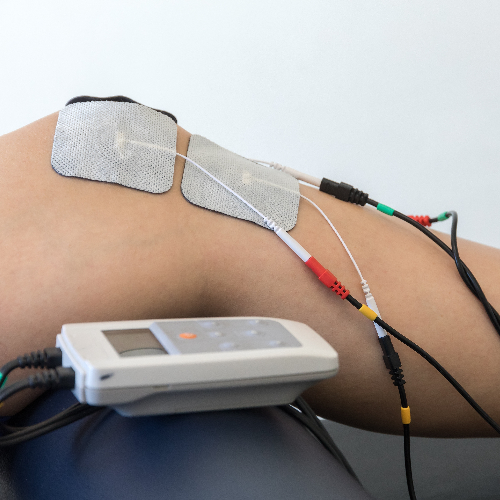
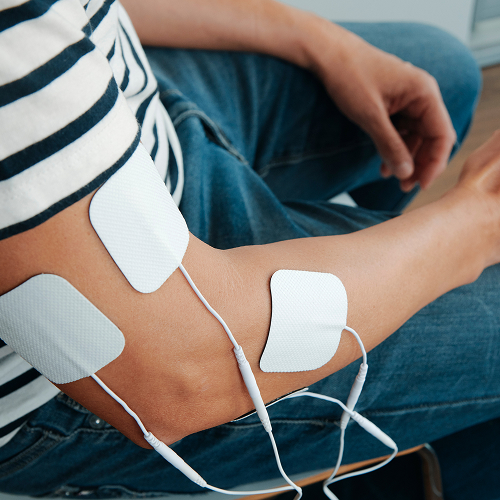
Electrical stimulation uses controlled electrical impulses applied through surface electrodes to activate muscles and support neuromuscular function. Individuals often explore this treatment when they experience muscle weakness, difficulty activating specific muscle groups, or limitations following injury or surgery. A physical therapist adjusts the intensity and placement to match treatment goals and ensure comfort. This approach may help improve muscle engagement, support circulation, and assist with movement re-education. Electrical stimulation is commonly integrated with exercise-based therapy to reinforce strength and promote more efficient movement patterns.
Kinesio Taping
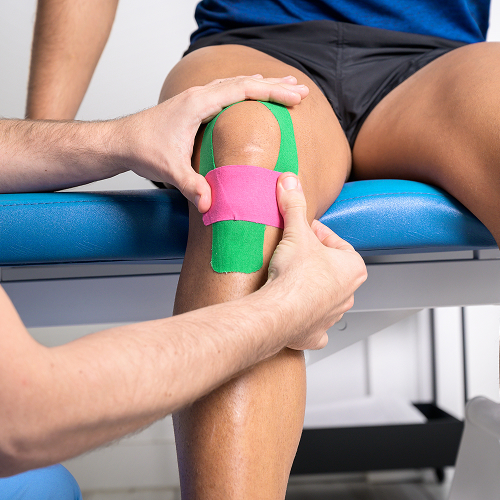
Kinesio taping involves applying flexible elastic tape to the skin to support muscles and joints during activity. The tape does not restrict motion. Instead, it provides sensory feedback that can improve body awareness.
Our physical therapist may use taping to support posture, reduce strain during activity, or enhance muscle activation. Taping is often helpful during return to sport or while building strength. The tape typically stays in place for several days and is safe for most skin types. It works best as part of a broader treatment program.
McKenzie Method
The McKenzie Method is a structured assessment and treatment approach that focuses on identifying movement patterns that influence symptoms, particularly in the spine. Individuals often explore this method when they experience recurring back or neck issues that change with certain positions or activities. A physical therapist guides patients through specific repeated movements and postural adjustments to better understand symptom response. This approach may help centralize symptoms, improve mobility, and support long-term self-management. The McKenzie Method is often paired with strengthening and education to promote lasting improvements in movement and function.
Myofascial Release
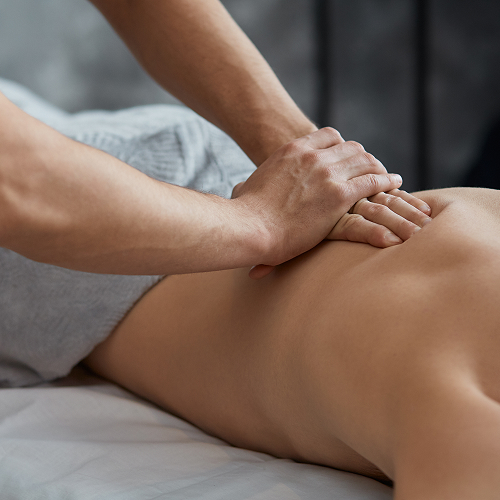
Myofascial release involves hands-on techniques that target the connective tissue surrounding muscles to address areas of tightness and restriction. People often seek this treatment when they notice persistent stiffness, limited mobility, or discomfort that does not resolve with general stretching. A physical therapist applies sustained pressure to specific areas to help improve tissue flexibility and movement quality. This approach may support circulation and reduce tension within affected regions. Myofascial release is typically integrated with corrective exercises to help maintain improvements and support functional recovery.

Ultrasound Therapy
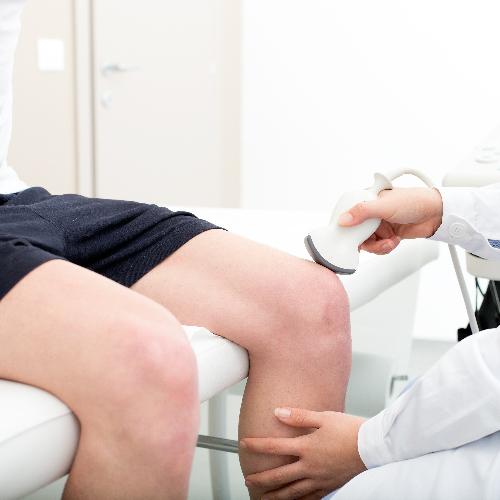
Ultrasound therapy uses sound waves delivered through a handheld device to target deeper soft tissue structures. Individuals often explore this option when dealing with localized tissue irritation or areas that are difficult to reach with manual techniques alone. A physical therapist moves the device over the skin with a conductive gel to ensure proper delivery of the waves. This approach may help support circulation and promote tissue healing. Ultrasound therapy is commonly incorporated into a broader rehabilitation program focused on restoring mobility and improving function.
A Team Focused on Your Progress
Patients who choose Choice Physical Therapy for physical therapy in Corning, NY receive attentive, individualized care. Our physical therapist explains each step clearly and involves you in decision making. We measure progress and adjust plans as needed.
Our clinic emphasizes:
- Individualized treatment plans
- Evidence-informed clinical decisions
- Clear communication
- Measurable goals
- Long term self management
What to Expect During Physical Therapy at Choice Physical Therapy
Your physical therapist will start with a full evaluation. The plan should match your symptoms, goals, and medical history. Many treatment plans include a mix of hands-on care, exercise, and education. Progress should be measurable and adjusted over time. If symptoms worsen or do not improve, our physical therapist can reassess and modify your plan.
Follow up visits focus on guided exercise, movement training, and steady progression toward functional goals.
Start Your Care with a Clear Plan
Physical therapy supports improved movement, strength, and daily function. A comprehensive evaluation and individualized plan can help you move forward with confidence. Contact Choice Physical Therapy to schedule an appointment or ask questions about our approach to physical therapy. Our physical therapists in Corning, NY are ready to help you take the next step toward better movement and long term health.
Frequently Asked Questions
How do I know if physical therapy is right for my condition?
What makes physical therapy different from just exercising on my own?
How involved will I need to be in my treatment?
Your Next Steps…
- Request An Appointment
- Receive A Custom Treatment Plan
- Work Hard and Progress In Your Recovery
- Recover & Enjoy Life Pain-Free